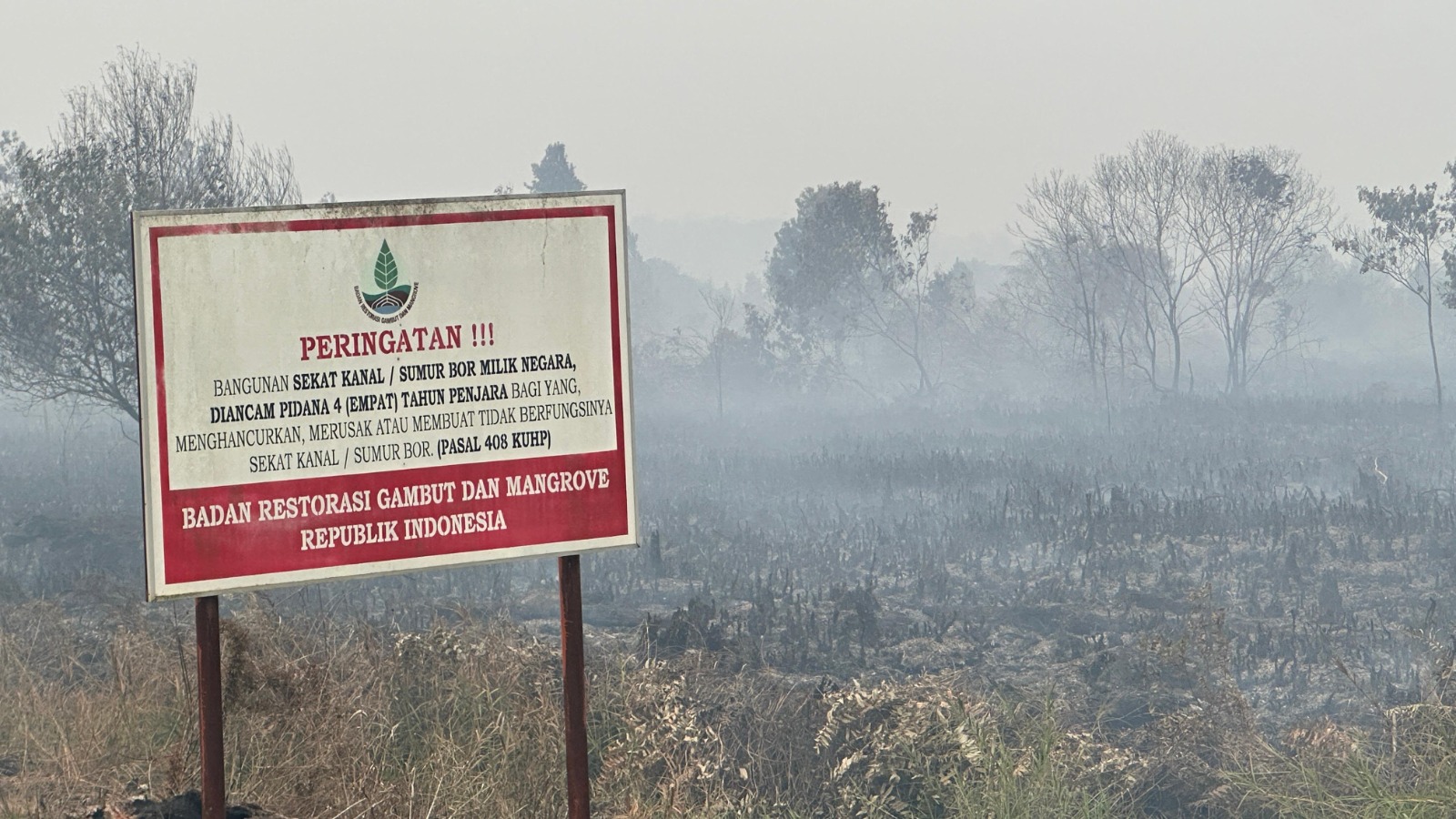
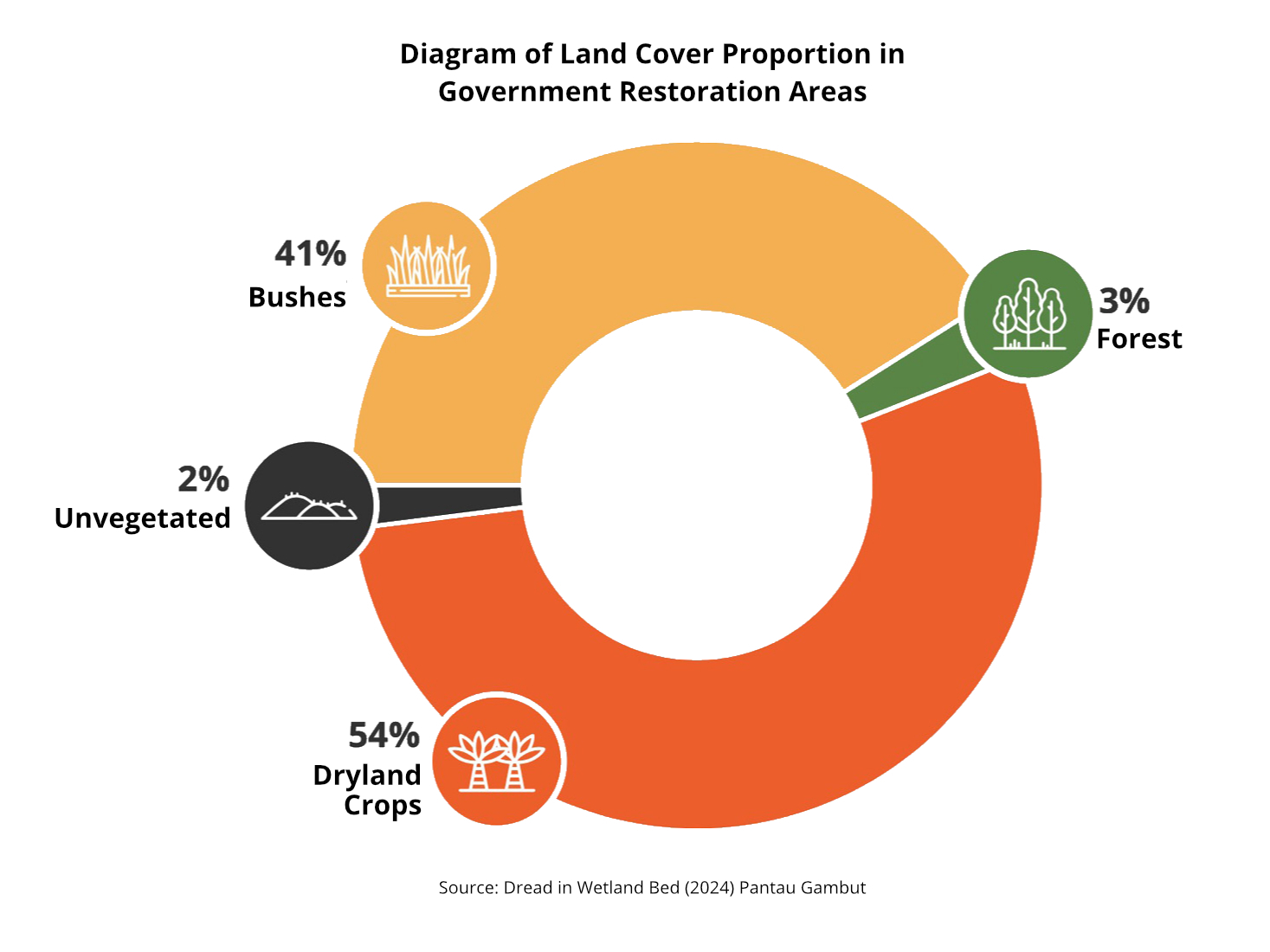
Pantau Gambut’s analysis of burned peatlands during the 2015–2019 period also revealed that only 3 percent returned to forest cover. Around 41 percent turned into scrubland, while 54 percent transitioned into monoculture plantations, primarily oil palm. These findings demonstrate that restoration success cannot be concluded solely from the volume of infrastructure or the area covered by activities.
Based on this experience, Pantau Gambut considers that peatland protection and restoration policies must, at a minimum, meet the following eight principles:
- First, protecting peatland ecosystems must be the primary mandate.
Peatland policies must prioritize the protection of ecological functions as a prerequisite, rather than using restoration as an exit strategy after damage has occurred. Any land use must be proven not to damage hydrological functions and must not reduce the responsibilities of concession holders or the government. This principle must also apply to national strategic policies and projects that intersect with peatland ecosystems, including in South Papua.
- Second, protection and restoration must not be limited by administrative boundaries.
The six provinces named by the government can be designated as priority regions, but they must not serve as the limit of the ecological mandate. Indonesia has 865 Peatland Hydrological Units (PHUs) covering approximately 24.67 million hectares spread across Sumatra, Kalimantan, Sulawesi, and Papua. Therefore, protection and restoration must be planned within unified hydrological units, rather than following provincial borders, concessions, or ministerial jurisdictions.
- Third, there must be no exemptions for concessions or government strategic projects.
The status of a concession or a national strategic project must not serve as a shield against ecological evaluations, compliance monitoring, and legal enforcement. Concession holders remain obligated to prevent damage and carry out restoration, while the government must ensure these obligations are met. Evaluations must also examine the cumulative impact on an entire KHG, not just the impact on individual project sites.
- Fourth, peatland protection requires a genuine cross-ministerial and agency mandate.
The chosen institutional design must guarantee a shared baseline database and reference map, access to licensing and compliance information, and mechanisms to resolve conflicting inter-sectoral policies. Every recommendation must be acted upon within clear timeframes, with outcomes open to public monitoring, without usurping the law enforcement authorities already held by other agencies.
- Fifth, restoration success must be measured by the recovery of ecosystem functions.
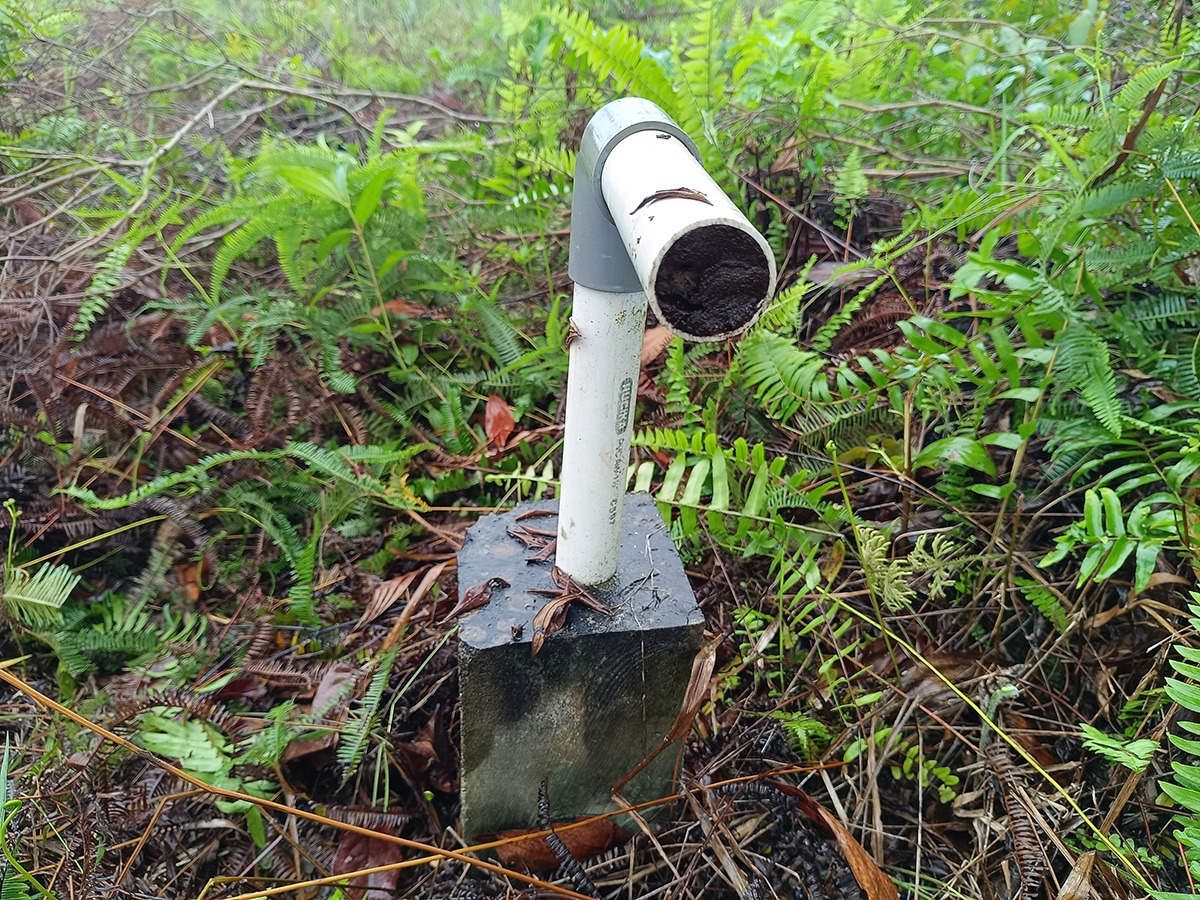
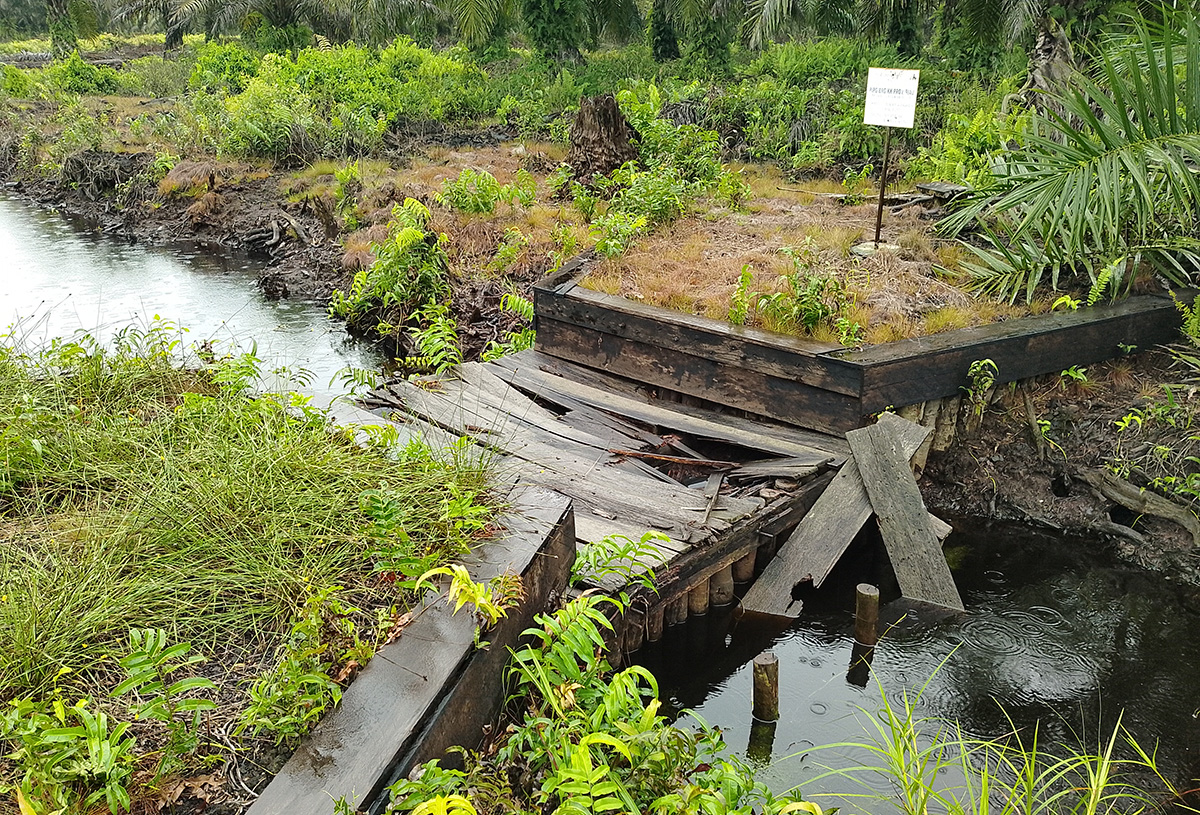
The number of canal blocks, deep wells, intervention areas, and planting activities represent program outputs, not proof of recovery. Success must be measured through verifiable ecological indicators, such as hydrological conditions and groundwater levels, vegetation cover, reduction of destructive drainage, decreased fire vulnerability, and the non-recurrence of degradation at intervention sites.
- Sixth, every fire in peatland areas must be followed by a governance and licensing review.
Evaluations must cover hydrological conditions, land cover changes, the presence of canals, land tenure and licensing status, fire history, license holder compliance, and the effectiveness of prior restoration efforts. Based on the findings, the government must utilize administrative, civil, and criminal legal instruments according to the type of violation and the authority of each institution. Restoration must not absolve liability or serve as a justification for retaining problematic licenses.
- Seventh, restoration financing must be transparent and enforce the polluter-pays principle.
Restoration costs must not be shifted to the state and the public when damage arises from violations or negligence by responsible business entities. Fines, environmental compensation, and the execution of restoration duties must be traceable, including the value of obligations, payments made, location of damage, restoration measures taken, budget allocation, and the resulting outcomes.
- Eighth, the public must be involved from the policy drafting stage.
Local communities, indigenous peoples, women, and groups reliant on peatland ecosystems must be engaged from the drafting of the legal basis through to evaluation. The government must also disclose planning data and documents, provide grievance mechanisms, protect communities and whistleblowers from intimidation, and guarantee independent evaluations.
The same principles must be applied to mangrove restoration. Its success cannot be measured merely by the number of seedlings planted or the area covered, but by the recovery of coastal ecological functions, plant survival rates, hydrological conditions, the protection of community rights, and the resolution of spatial tenure conflicts.
Pantau Gambut will closely examine BPGMN's legal instruments and institutional design once disclosed to the public. Key areas to monitor include the strength of its protection mandate, geographic scope, coordination mechanisms, data access, metrics for ecological recovery, law enforcement follow-ups, financing, and public participation.
The creation of a new agency is not an achievement in itself. If it merely adds structure without improving governance and stopping the sources of destruction, BPGMN will repeat old problems under a new name. Conversely, if the government has the courage to establish a clear, transparent, and ecology-oriented mandate, this plan could serve as an opportunity to correct a decade of failures in peatland protection.
“The government does not need a new agency simply to tally activities and construct infrastructure. Indonesia needs governance capable of keeping peatlands wet, stopping destruction, holding concession holders accountable, and protecting the communities that have long borne the brunt of the impact,” concluded by Putra.