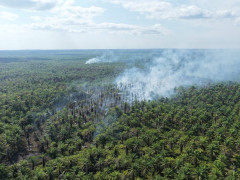
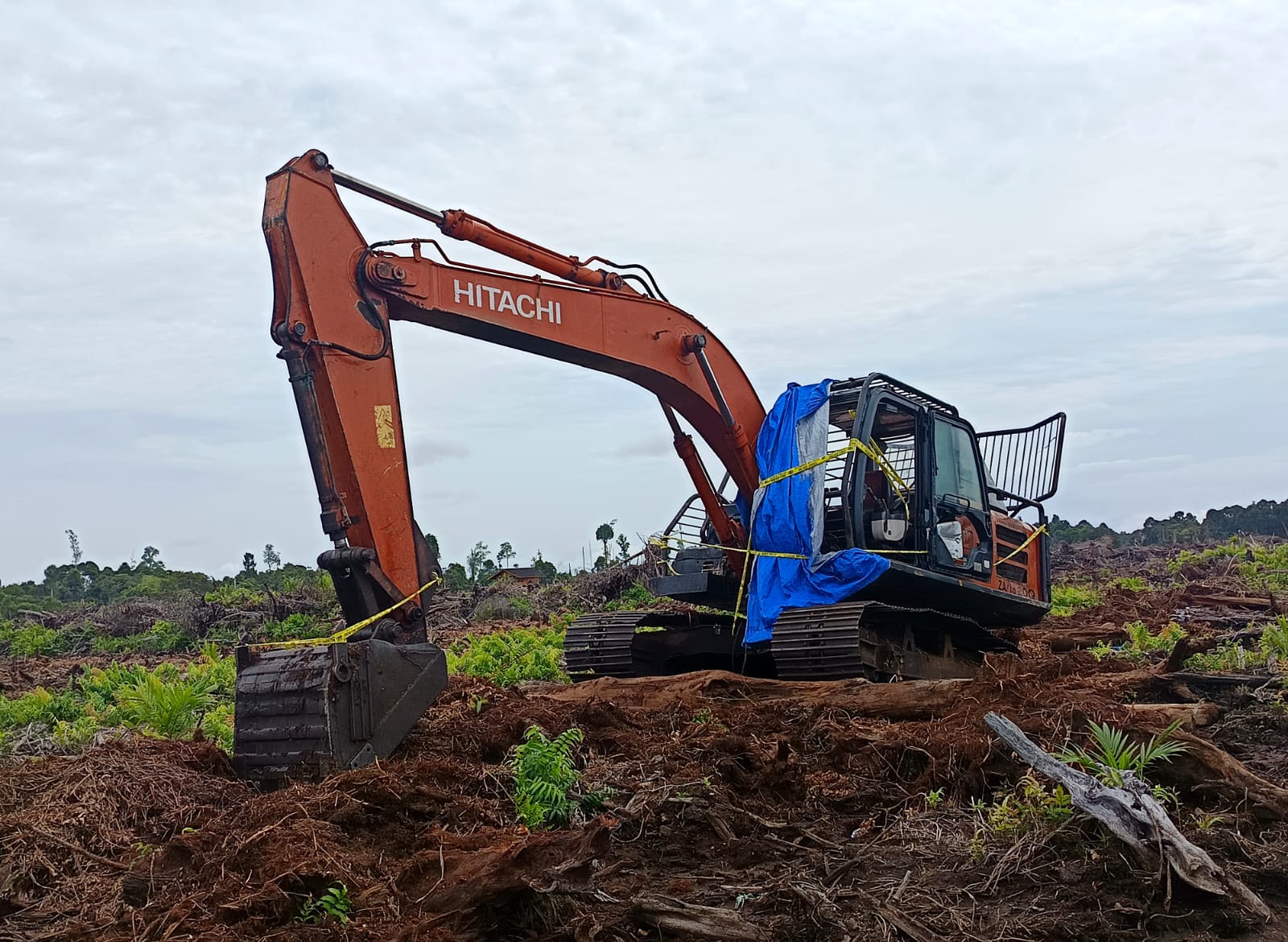
The presence of heavy machinery suggests the damage cannot merely be attributed to the activities of local farmers seeking to meet their daily livelihoods. This finding once again emphasized weak government oversight and poor peatland ecosystem governance, which continue to enable encroachment and environmental degradation to recur.
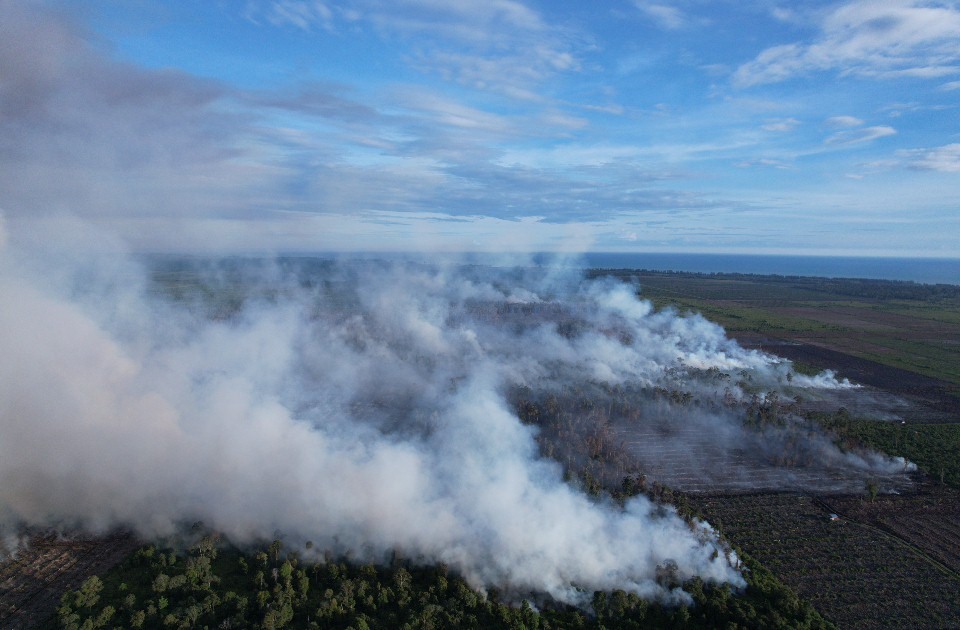
The Tripa Peat Swamp, which forms part of the Leuser Ecosystem Area (KEL), was designated as a protected area under Qanun No. 19 of 2013 because it contains peat deposits exceeding three metres in depth. Structured exploitation of this ecosystem poses a fatal threat to regional climate resilience. According to Pantau Gambut's latest findings, the continued recurrence of illegal land clearing is directly proportional to the sharp increase in forest and land fires across Aceh.
Between January-May 2026, Pantau Gambut detected 2,715 hotspots across Aceh Province. Aceh Selatan Regency recorded the highest number with 918 hotspots, followed by Aceh Barat Regency with 740 hotspots, and Nagan Raya Regency with 528 hotspots. The number of hotspots in Nagan Raya Regency represents a 43 folds increase compared to the same period in the previous year, when only 12 hotspots were recorded.
These findings in Aceh represent one of the highest hotspot concentrations across all Peat Hydrological Units (PHU) in Indonesia, with a total of 28,039 hotspots. Of these, 18,064 hotspots were detected within Protected Peat Ecosystem Functions (Fungsi Lindung Ekosistem Gambut/FLEG), while 9,975 hotspots occurred within Cultivation Peat Ecosystem Functions (Fungsi Budidaya Ekosistem Gambut/FBEG). This cumulative figure also increased from 23,546 hotspots recorded during the January-April period. These data reinforce concerns about peatland drainage through canal construction, together with land conversion for monoculture plantations, remains a dominant driver of recurring fires.