By Admin
from Pantau Gambut
Pantau Gambut detected an escalation to 15,067 hotspots in July 2026, a 549 percent increase compared to the previous month.
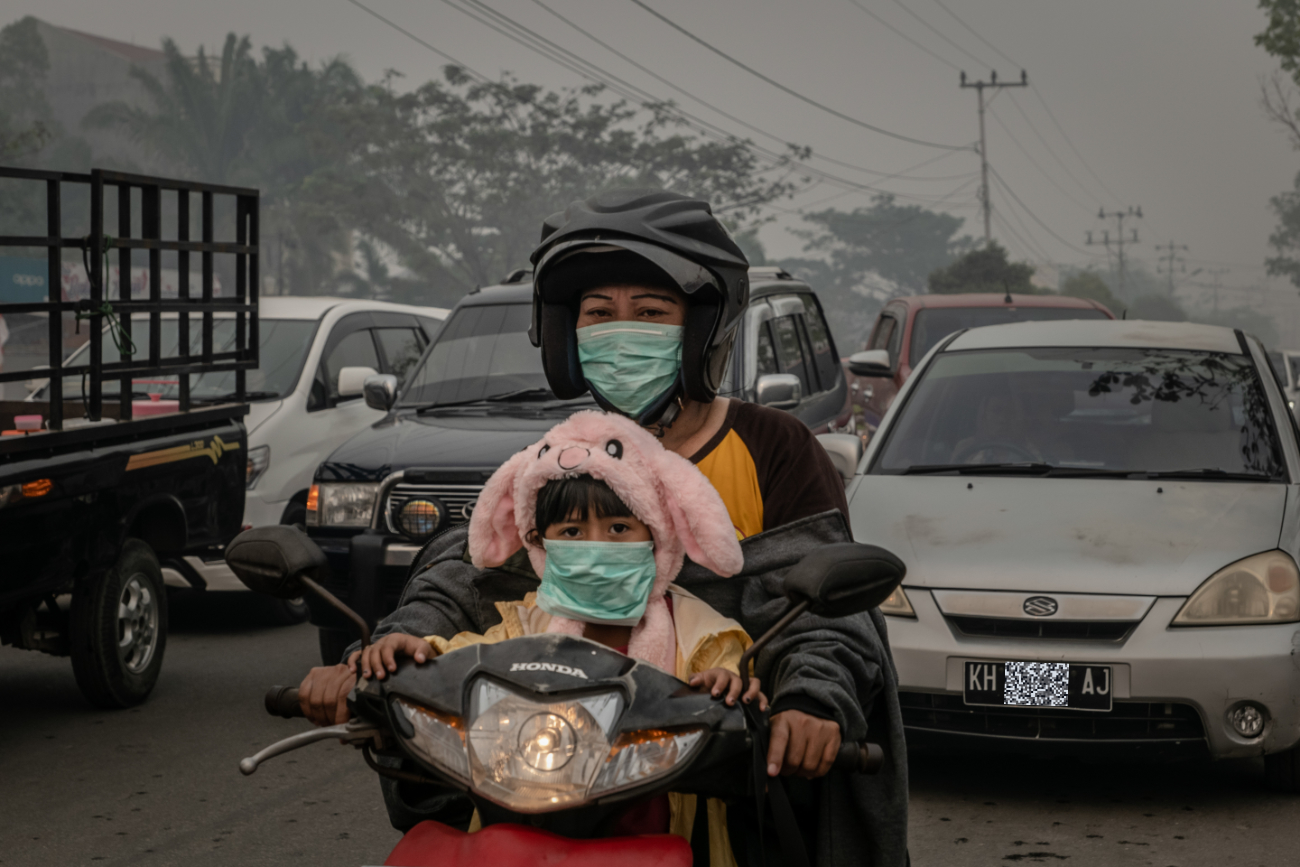
Motorists wear masks as they make their way along a road shrouded in haze from the peat forest fires in Palangkaraya city, Central Kalimantan ©Ulet  Ifansasti/Greenpeace

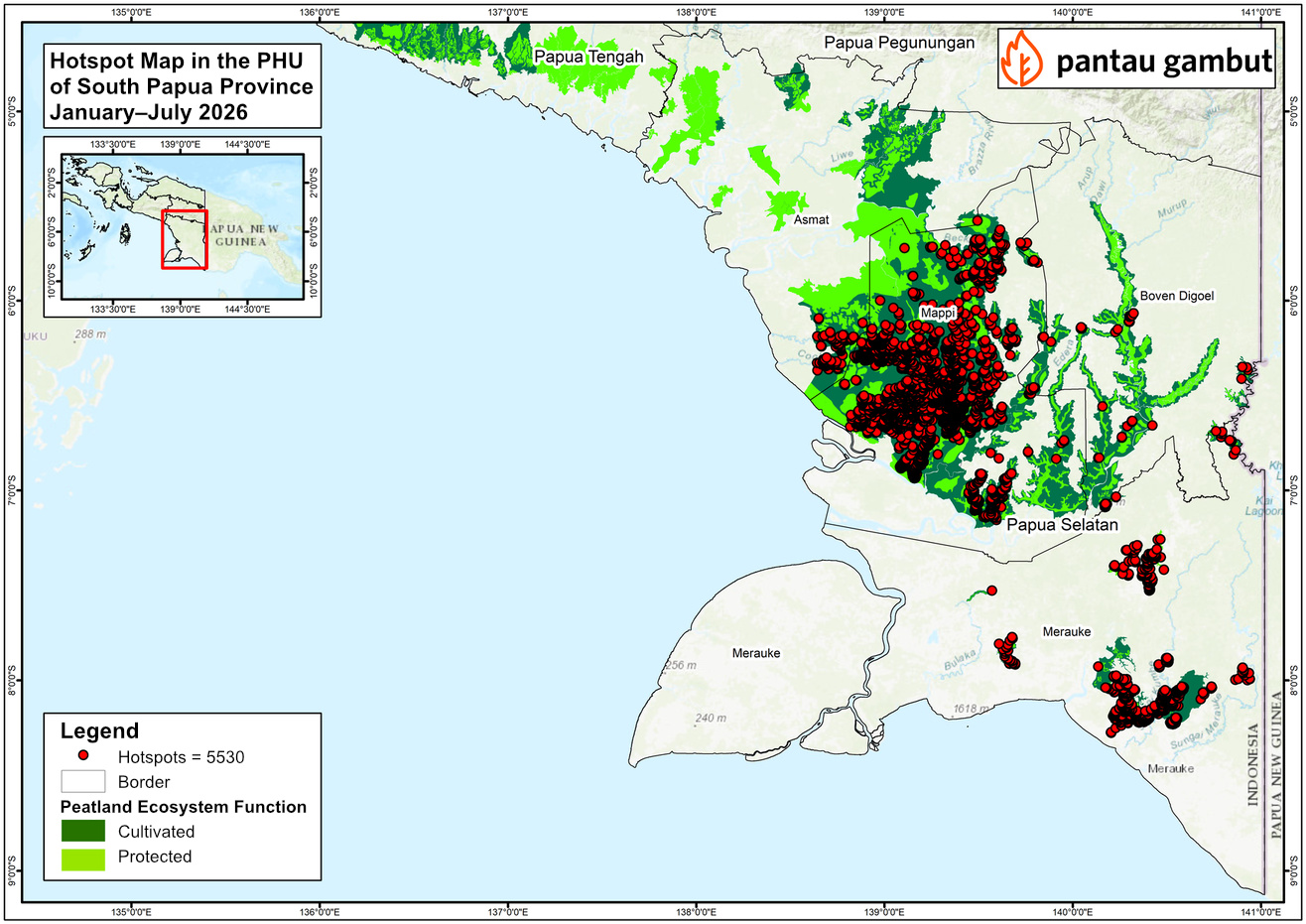
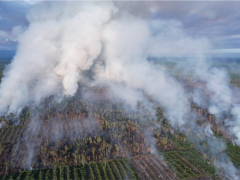
The escalation was driven by a massive surge in hotspots across several key regions. West Kalimantan recorded the highest number with 4,874 hotspots (an increase of 1,897 percent compared to June) followed by South Papua with 4,220 hotspots (an increase of 457 percent). The most concerning surge occurred in Central Kalimantan, where the number of hotspots had remained relatively stable at around 200 per month since January 2026, before skyrocketed to 2,821 hotspots throughout July.

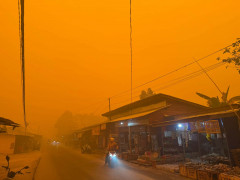
Pantau Gambut assessed this surge evidence of the government’s failure to manage land and protect public safety from the impacts of extractive industries. Add fuel to the fire, the spread of haze has begun crossing national borders, forcing several schools in Malaysia to suspend teaching and learning activities. This reality demonstrates the severity of smoke exposure faced by people in Indonesia, who are living at the centre of the haze without adequate protection.

In addition to disrupting people’s daily activities, haze also threatens children’s growth and development, as they are among the most vulnerable groups due to their still-developing respiratory systems. At the same time, this crisis increases the risk of pregnancy complications and exacerbates the domestic burden borne by women in affected areas, without adequate legal protection or equitable mitigation measures.

Amid inadequate response measures and the government’s stalled enforcement of court rulings, civil society networks in affected areas emphasize that this crisis is no longer merely an ordinary environmental disaster.

“Forest and land fires in South Papua are no longer merely an ecological crisis, but a direct threat to the safety of women and children,” stressed Beatrix Gebze, a representative of residents in Merauke. She highlighted how prolonged exposure to smoke has triggered acute respiratory infections (ARI) among children, amid limited access to healthcare facilities, clean water, and increasingly scarce food due to the loss of natural resources.
Titik Panas di Provinsi Papua Selatan, Januari–Juli 2026

Similar condition is also experienced by the women in Central Kalimantan. Chairperson of the Central Kalimantan Executive Board of Solidaritas Perempuan (SP) Mamut Menteng, Irene Natalia Lambung, noted the government has also failed to position Indigenous women as equal subjects in climate mitigation efforts. “The existing solution is simply to wash their hands and leaving women to bear the impacts of the crisis on their own,” Irene stressed. She also highlighted the absence of political will on the part of the government to enforce the Citizen Law Suit (CLS) ruling of the Grassroots Action Against Smoke (Gerakan Anti Asap/GAAS), which residents won in 2019.

Meanwhile in South Sumatra, the crisis has disrupted the social fabric of communities. “The forest and land fires crisis in South Sumatra has deepened social and gender inequality,” stressed Kartika Lestari, Campaign Officer at Perkumpulan Rawang. For this reason, Perkumpulan Rawang is urging the government to take immediate action to end this continued inaction by ensuring special protection, healthcare, and economic recovery for women and children in affected areas.

Responding to this systemic crisis, Pantau Gambut Campaign Officer Putra Saptian urged the government to end compromises made in the name of development. “As long as peatland protection continues to be negotiated, this crisis will continue to claim victims,” he said. Putra also demanded the government, through the Minister of Agriculture and the Minister of Forestry, to immediately evaluate corporate permits for peatland conversion and ensure governance that prioritizes ecosystem protection and the safety of women and children.

Support Us

Share this information with your family and friends.