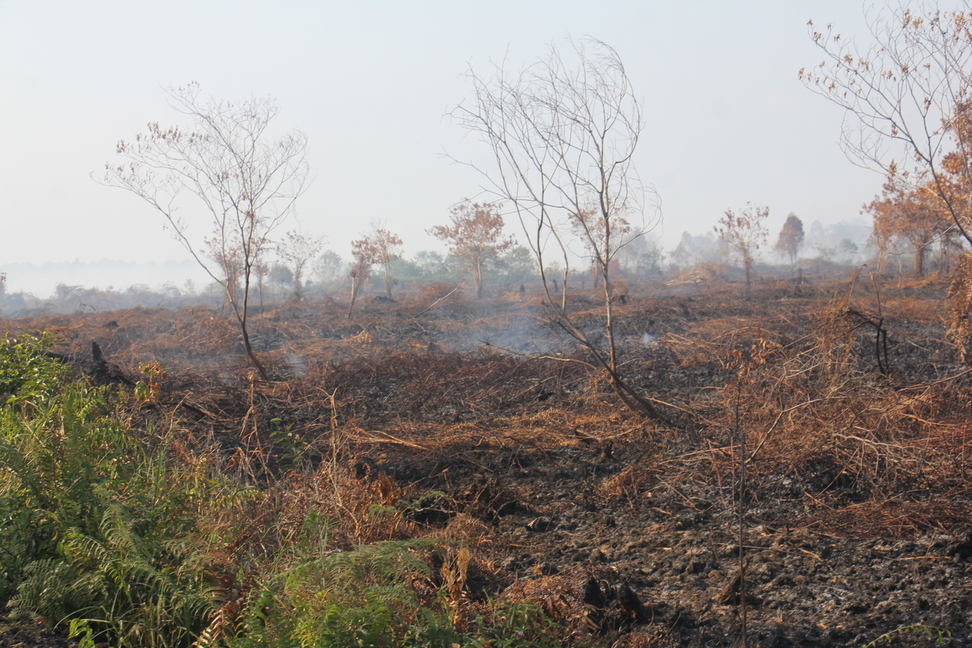
Analysis by Pantau Gambut reveals that at least 5,490 hotspots were detected within Peatland Hydrological Units (PHU) in January 2026, with a further 5,114 hotspots reappearing in February 2026. These findings signal that peatland fires are already occurring even before the dry season has begun.
Hotspot distribution reveals a concerning pattern. Riau and West Kalimantan recorded the highest number of fires in February 2026. In Riau, approximately 2,890 hotspots were detected, while West Kalimantan recorded around 1,316 hotspots. The concentration of fire points suggests that degraded ecosystems remain highly vulnerable to burning.
Pantau Gambut's analysis further indicates a portion of the hotspots appeared within corporate concession areas. Mapping results identified at least 1,080 hotspots within oil palm in cultivation rights areas (HGU) and 250 hotspots within industrial plantation forest concessions under Timber Forest Product Utilisation Permits. These findings demonstrate that peatland fires are also occurring in areas legally managed under corporate control.
These conditions indicate that peatland fire vulnerability cannot be separated from long-standing land management practices and ecosystem degradation.
The Head of the Research and Campaign Division of WALHI West Kalimantan, Indra Syahnanda stated, “The increase in fires over the past two months has triggered haze conditions across several areas in West Kalimantan Province.” The haze has not only disrupted public activities but has also directly affected community health. Reports even indicated that one resident died, allegedly linked to the impacts of forest and land fires.
Meanwhile, the Executive Director of WALHI Riau, Eko Yunanda revealed, “Many of the fires in Riau have occurred on small islands dominated by peat ecosystems, such as Bengkalis Island, Rupat Island, and Mendol Island.” Over recent decades, these islands have undergone significant transformation due to land clearing and concession expansion which increase the vulnerability of peatland areas to fire.
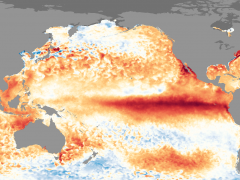
This situation becomes all the more alarming when viewed against the climate projections for this year. The Meteorology, Climatology, and Geophysics Agency (BMKG) predicts that the 2026 dry season will arrive earlier than usual across many regions of Indonesia. Approximately 46 percent of the country's territory is expected to experience an earlier-than-normal dry season onset. The peak of the dry season is projected to occur between July and August 2026, with conditions in a number of regions potentially drier than average.
Pantau Gambut Campaign Officer, Putra Saptian, affirmed that the emergence of thousands of fire hotspots at the start of the year should serve as a serious warning that peatland fires are far from a seasonal phenomenon.
“If fires are already emerging during the rainy season, it indicates that the vulnerability of our peat ecosystems has reached a critical level and protection measures remain ineffective. Without serious efforts to protect and restore degraded peatlands, fires will continue recurring each year with increasingly severe impacts,” he stated.
He further added the government needs to strengthen preventive measures from the outset “The government needs to strengthen peatland protection, intensify oversight within concession areas, and accelerate the restoration of degraded peat ecosystems to prevent recurring fires.”