By Admin
from Pantau Gambut
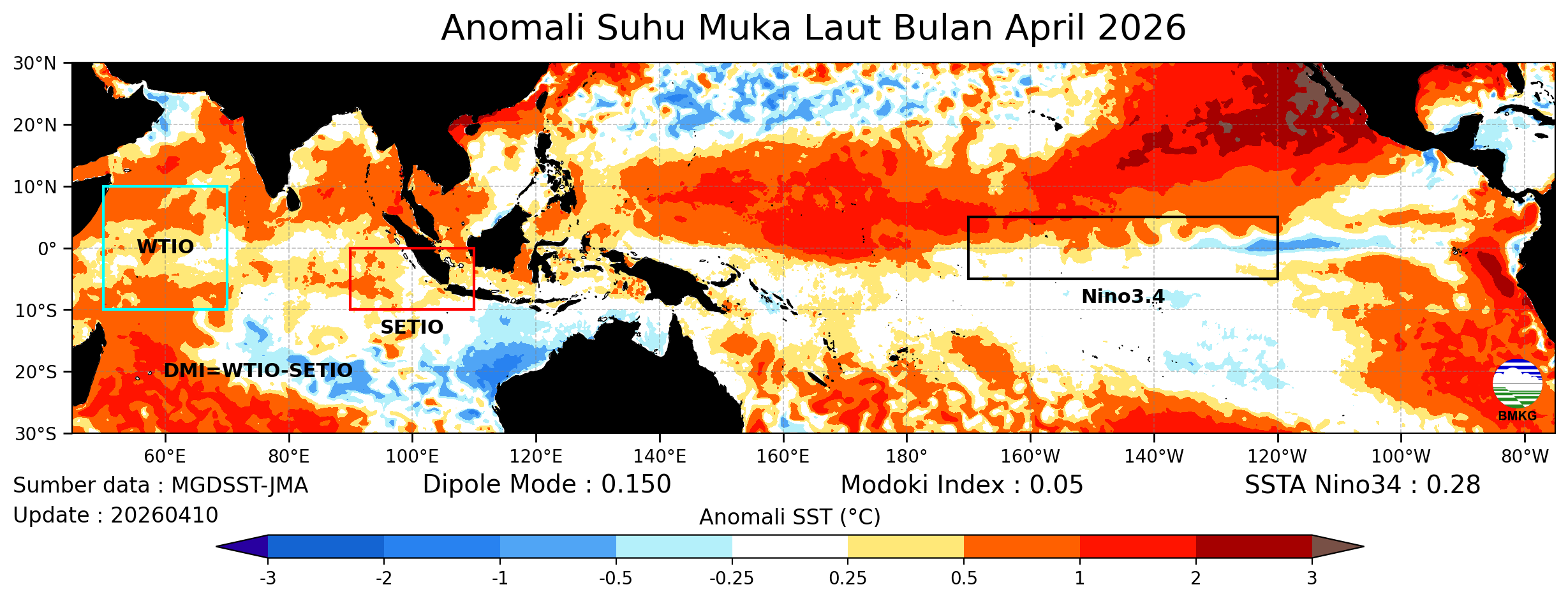
The term “Godzilla” has been used by Indonesian Agency for Meteorology, Climatology, and Geophysics (Badan Meteorologi, Klimatologi, dan Geofisika/BMKG) to describe the projected intensity of the El Niño event expected to impact Indonesia in 2026.

Ironically, before this phenomenon reaches its peak in August, Pantau Gambut has recorded 23,546 hotspots that have already besieged Peatland Hydrological Units (PHU) across various regions since the beginning of the year. These conditions are projected to carry significant consequences for Indonesia, with the potential to trigger far more massive forest and land fires while simultaneously disrupting national economic activity.


Based on the classification of Peat Ecosystem Functions (Fungsi Ekosistem Gambut/FEG), hotspots were more heavily concentrated within Protected Peat Ecosystem Functions (Fungsi Lindung Ekosistem Gambut /FLEG), which recorded 15,424 hotspots, while Cultivation Functions accounted for 8,122 hotspots. Protected peat functions generally contain deeper peat layers that is carrying the potential for substantially higher carbon emissions compared to cultivation zones, which typically consist of shallower peat depths.

Meanwhile, based on provincial distribution, Riau recorded the highest number of hotspots with 8,930 points, followed by West Kalimantan with 8,842 points. These findings indicate that hotspot distribution across peat ecosystems remains concentrated in regions with significant peatland coverage, particularly in provinces across Sumatra and Kalimantan.


Ironically, hotspot distribution was also found in considerable numbers within Land Cultivation Right and Timber Forest Product Utilisation Permit areas. A total of 6,192 points were detected within licensed oil palm Land Cultivation Right concession zones, and 1,334 points within Timber Forest Product Utilisation Permit areas. This data reveals a substantial gap between regulation and implementation.

The presence of more than 7,500 hotspots within licensed areas demonstrates that legal instruments such as Land Cultivation Rights and Timber Forest Product Utilisation Permits have yet to guarantee land management that is safe from fire. If these structural issues are not promptly addressed, the burden of restoring ecosystems damaged by concession-related negligence will ultimately fall upon the state as a fiscal obligation borne through the national and regional budgets.

Putra Saptian, Campaign Officer of Pantau Gambut stated "PHU-based restoration oversight must be tightened to ensure the restoration obligations of licence holders encompass the full scope of ecological impacts incurred, both within and beyond the administrative boundaries of their concessions, in order to prevent recurring fiscal losses to the state year after year."

Putra further emphasized, “The threat posed by this ‘Godzilla’ El Niño must serve as momentum for the government to end regulatory fragmentation through the formulation of a PHU-based Peat Ecosystem Protection Bill within the National Legislative Program (Prolegnas).” Such a legal framework is urgently needed to integrate spatial planning, licensing, and law enforcement into a single national framework that is both consistent and binding. Without holistic regulation, overlapping interests will continue to amplify long-term ecological and fiscal risks, ultimately jeopardizing national climate resilience and economic stability as a whole.

Support Us

Share this information with your family and friends.