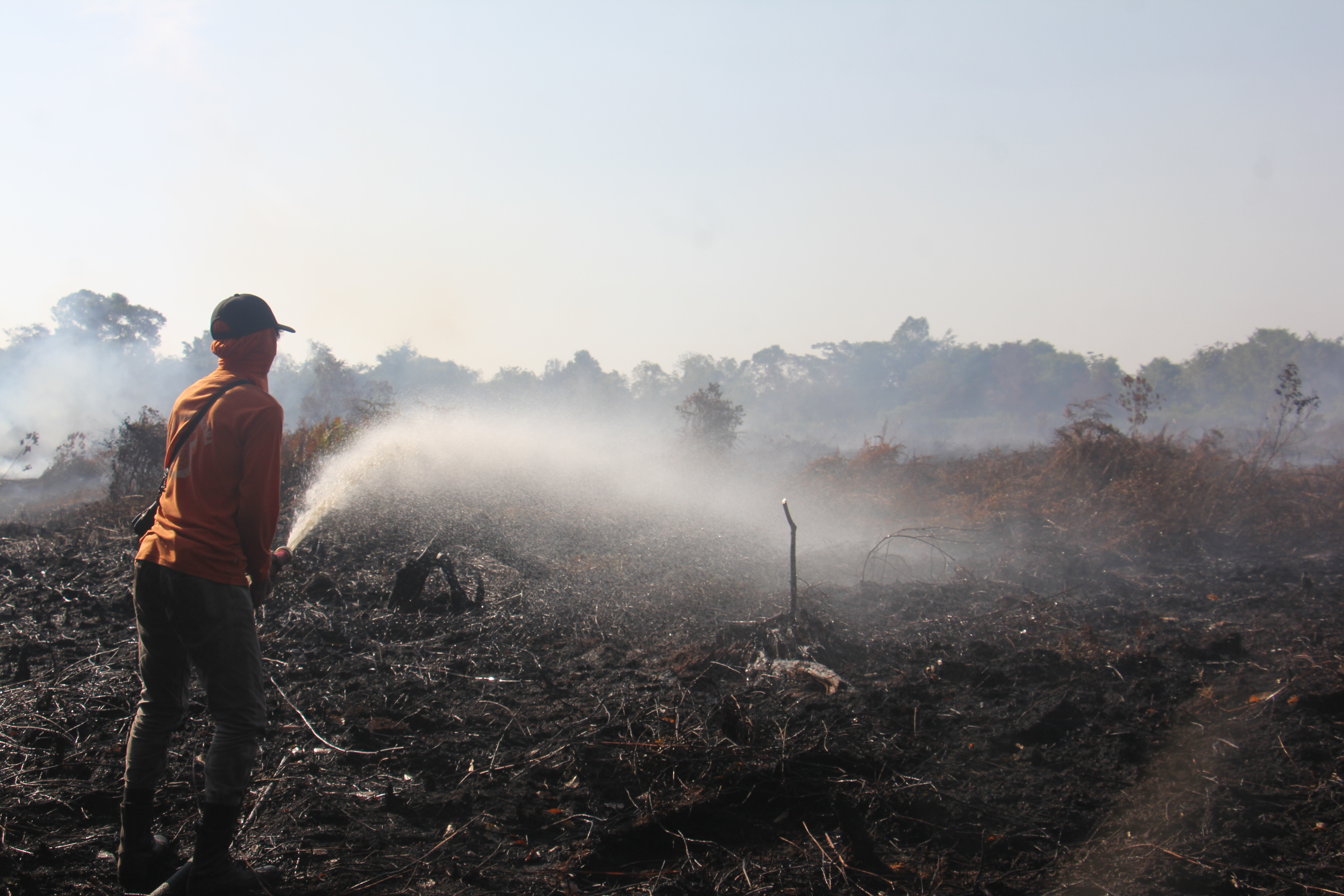
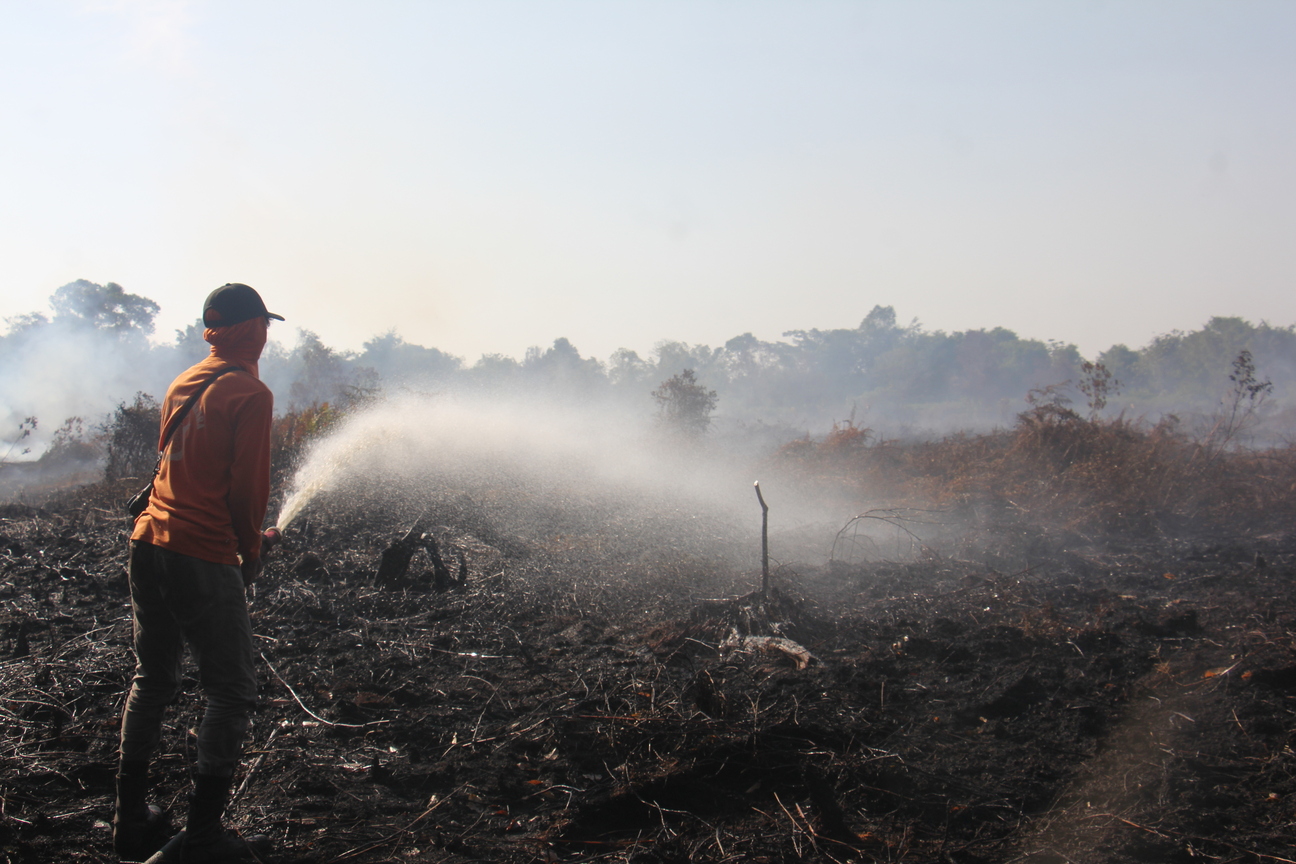
In peatland areas, increasingly dry air brings its own concerns. People keep an eye on their farms, watch the direction of the wind, and wonder whether the smoke will return. For those who have never experienced a fire season, this concern may seem excessive. But for those who have, the anxiety is well-founded.
I often wonder, what does it mean to be free if every dry season, people must always be prepared to face a threat that keeps returning?
This year, the government has adopted the theme “A Sovereign, Just, and Prosperous Indonesia” to commemorate 81 years of independence. The words are certainly grand. But for communities in peatland areas, their meaning may actually be much simpler. Clean and safe air to breathe, farms that do not burn, children who can continue going to school, parents who do not have to shut all their windows because of smoke, and the opportunity to have a say in what happens to the land where they live. These things may sound simple. Yet in reality, not everyone can take them for granted.
In July 2026, Pantau Gambut recorded 15,067 hotspots in peatland ecosystems. In June, the number was still 2,322. This means that the increase occurred within just one month, reaching 549 percent. The largest increases occurred in West Kalimantan, South Papua, Central Kalimantan, Aceh, and Riau. This surge occurred as many peatland areas were already entering the dry season. Peatlands that have lost water can no longer retain moisture as they once did. The organic matter within them gradually dries out and becomes more susceptible to fire.
The problem with this condition develops long before we see flames or smell smoke. This is precisely when prevention should begin, while the risks can still be contained and before communities are forced to bear the consequences. This year, these conditions coincide with El Niño and the peak of the dry season. Agency for Meteorology, Climatology, and Geophysics (Badan Meteorologi, Klimatologi, dan Geofisika/BMKG) has stated that El Niño is active. The risk of forest and land fires is expected to peak between August and September, while the dry season is projected to be longer and drier than usual.
Weather does matter. I do not deny it. But what feels strange is when weather is used to justify every issue. El Niño does not arrive on an intact landscape. It arrives on peatlands that have already been divided by canals, cleared, used for various activities, or have yet to recover from previous fires. Under such conditions, the dry season is not the only problem. The way we manage water also plays a major role in determining how severe the impacts will be.
Unfortunately, discussions about forest and land fires often begin too late. People only start paying attention when the number of hotspots increases. Attention only intensifies once the fire is visible. Once the smoke spreads, everyone becomes busy responding.
Yet peatlands have already been showing signs long before that.
What we should be asking is not when the fire first becomes visible, but why peatlands are allowed to become increasingly dry, making it easier for fires to spread. Prevention is also not enough if it only involves counting hotspots. Changes in land conditions, fire history, damaged canals, and activities in the surrounding areas need to be considered together. If warning signs repeatedly emerge in the same places, field inspections should not wait until the situation worsens.
So, what needs to be examined? Not just the weather. The condition of canals, land cover, activities within concessions, and development projects in the surrounding areas must also be taken into account. If the hydrological system is damaged, the public needs to know who is responsible for restoring it and how that restoration will be assessed.
I think communities also have the right to receive more information than simply a warning about the situation is dangerous. They should not only be asked to help once the fire has already started. All this time, communities have always been the first to feel the impacts. Outdoor activities decrease when air quality deteriorates. Farms and livelihoods are at risk. Children, older people, pregnant women, and people with respiratory conditions face greater risks.
After the fire is extinguished, they are also the ones who have to live with its consequences.
For this reason, involving communities only when an emergency occurs feels unfair. People recognize changes in vegetation, moisture, and land conditions around them. This knowledge should be utilized from the outset to prevent fires from occurring.
However, there is one thing that must be remembered: involving communities does not mean shifting the responsibility onto them.
Those who control and use the land remain responsible for ensuring the peatlands do not dry out. The government must ensure this responsibility is fulfilled. If damage occurs, the restoration process must be subject to scrutiny. And if fires continue to recur in the same places, the public has the right to an explanation as to why the problem has not yet been resolved.
I also often wonder, where does the news of law enforcement go once the season changes? When fires are widely discussed, we hear those locations have been sealed or that cases are under investigation. But a few months later, it becomes difficult to find any updates on those cases.
Was anyone ultimately held accountable? Have the damaged areas actually been restored? Who is ensuring the restoration is carried out? These questions remain important, even after the rains have come.
Patrols, rewetting, firefighting, and emergency measures are still necessary. But protection should not always begin with an emergency. It should begin when the land starts to dry, when high-risk areas are promptly inspected, when damaged water management systems are repaired, and when responsibility is not simply allowed to disappear.
Eighty-one years after Indonesia gained independence, people have the right to expect more than seasonal responses. They have the right to clean air, secure livelihoods, and a voice in determining the future of the places they call home. Clean air may not be as festive as an Independence Day ceremony or rows of red-and-white flags. But for those who worry about smoke every year, being able to breathe without fear is a very real form of freedom. Even something as basic as that still cannot be guaranteed.
August 17th should also be a time to ask: Who has truly achieved real freedom?